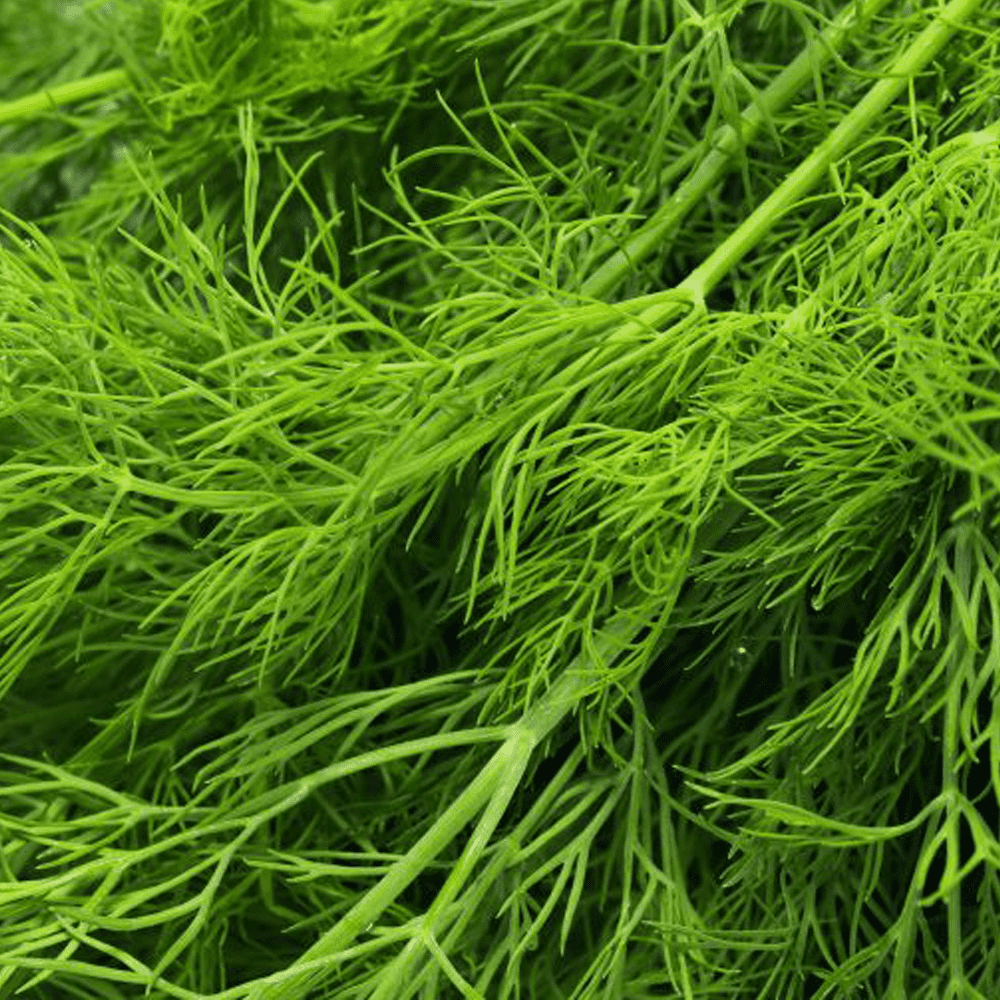
🌿 Fresh Dill – Delicate, Fragrant & Full of Flavour
Our Fresh Culinary Dill Leaves have delicate feathery leaves, a wonderfully fresh aroma and a distinctive herbal flavour with subtle citrus and anise-like notes.
Fresh dill is particularly good with fish, seafood, potatoes, cucumber and yoghurt. Chop it into creamy sauces and dressings, scatter it over warm new potatoes or use it to add fresh flavour to homemade pickles and salads.
Because dill has a delicate character, it’s generally best added towards the end of cooking or immediately before serving.
Fresh. Delicate. Fragrant. Wonderfully versatile. 🌿
🌱 What Are Fresh Culinary Dill Leaves?
Dill is a delicate culinary herb recognised by its soft, feathery green leaves and distinctive fresh aroma.
Our Fresh Culinary Dill Leaves have a light herbal flavour with subtle citrus and anise-like notes.
Dill is particularly popular in Scandinavian, Eastern European, Mediterranean and Middle Eastern-inspired cooking.
Perfect for:
🐟 Fish & seafood
🥔 New potatoes
🥗 Salads
🥣 Creamy sauces
🥒 Pickling
🥙 Dips
🍋 Dressings
🥪 Sandwiches
🥚 Egg dishes
💫 Fresh Culinary Dill Leaves – Flavour Profile
Fresh 🌿 | Delicate 🍃 | Citrusy 🍋 | Lightly Anise-like ✨ | Aromatic 💚
Fresh dill has a lighter, more delicate flavour than many woody herbs.
It pairs particularly well with:
🐟 Salmon & white fish
🦐 Seafood
🥔 Potatoes
🥒 Cucumber
🥛 Yoghurt
🧀 Cream cheese
🍋 Lemon
🥚 Eggs
🧅 Onions
🥗 Fresh salads
💚 Nutrition & Benefits
Fresh dill is primarily enjoyed for its distinctive flavour and aroma. It also naturally contains vitamins, minerals and plant compounds.
🌿 Naturally occurring plant compounds
Dill naturally contains aromatic compounds responsible for its distinctive fragrance and flavour.
🛡️ Naturally contains antioxidants
Fresh dill contains naturally occurring plant compounds with antioxidant properties.
🍊 Contains vitamin C
Fresh dill naturally provides vitamin C as part of its nutritional profile.
🌾 Contains dietary fibre
Whole fresh dill naturally contains dietary fibre.
🌱 Naturally low in calories
Fresh herbs provide plenty of flavour while generally being eaten in relatively small quantities.
📊 Fresh Dill Nutritional Information
Typical values per 100g:
- 🔥 Calories: Approx. 43 kcal
- 🌾 Carbohydrates: Approx. 7g
- 🌱 Fibre: Approx. 2.1g
- 💪 Protein: Approx. 3.5g
- 🥑 Fat: Approx. 1.1g
- 🍊 Contains vitamin C
- ⚡ Contains calcium, iron and potassium
- 🌿 Naturally contains aromatic plant compounds
Actual nutritional values can vary according to variety, freshness and growing conditions.
🔪 How to Prepare Fresh Culinary Dill Leaves
Fresh Culinary Dill Leaves require very little preparation.
- Rinse gently under cold running water.
- Shake away excess water or pat dry.
- Remove any particularly thick stems if preferred.
- Leave the delicate fronds whole or finely chop according to your recipe.
- Add towards the end of cooking to preserve the freshest flavour.
🌿 Fruit Bowl Tip:
Dill’s delicate leaves lose some of their fresh character during prolonged cooking, so try adding them during the final few minutes or immediately before serving.
🍽️ How to Use Fresh Dill
Fresh dill is incredibly versatile:
🐟 Scatter over cooked salmon or white fish
🥔 Toss through warm new potatoes
🥒 Combine with cucumber
🥣 Stir into creamy sauces
🥙 Mix into yoghurt dips
🥗 Add to salads
🍋 Combine with lemon dressings
🥚 Sprinkle over eggs
🧀 Mix into cream cheese
🥒 Use in homemade pickles
🥣🌿 Creamy Fresh Dill Sauce
Cool, creamy and fantastic with fish, potatoes and vegetables.
🛒 Ingredients
- 3 tbsp fresh dill, finely chopped 🌿
- ½ cup Greek or natural yoghurt
- 1 tbsp lemon juice 🍋
- 1 tsp Dijon mustard
- 1 tbsp olive oil
- 1 garlic clove – optional 🧄
- Salt & black pepper
👩🍳 Method
- Place the yoghurt in a bowl.
- Add the lemon juice, mustard and olive oil.
- Stir through the chopped dill.
- Add garlic if desired.
- Season with salt and black pepper.
- Chill for approximately 15 minutes before serving.
✨ Excellent with grilled fish, potatoes, salads and roasted vegetables.
🥔🌿 Warm Dill Potato Salad
Tender potatoes with a fresh lemon and dill dressing.
🛒 Ingredients – Serves 3–4
- 500g baby potatoes 🥔
- 2 tbsp fresh dill, chopped 🌿
- 2 tbsp olive oil
- 1 tbsp wholegrain mustard
- Juice of ½ lemon 🍋
- Salt & black pepper
👩🍳 Method
- Boil the potatoes until tender.
- Drain thoroughly.
- Combine the olive oil, mustard and lemon juice.
- Season with salt and black pepper.
- Toss the warm potatoes through the dressing.
- Finish generously with fresh dill.
✨ Fresh, simple and fantastic alongside fish or grilled dishes.
🥒🌿 Quick Dill Pickled Cucumbers
Crisp cucumber with fresh dill and a tangy vinegar dressing.
🛒 Ingredients
- 1 cucumber, thinly sliced 🥒
- Fresh dill, chopped 🌿
- 120ml white wine vinegar
- 120ml water
- 1 garlic clove, sliced 🧄
- 1 tsp salt
- 1 tsp sugar
👩🍳 Method
- Place the cucumber and dill into a clean container.
- Add the sliced garlic.
- Combine the vinegar, water, salt and sugar.
- Stir until the salt and sugar have dissolved.
- Pour over the cucumber.
- Cover and refrigerate.
- Allow the flavours to develop before serving.
⚠️ Keep refrigerated. This is a quick refrigerator pickle rather than a shelf-stable preserve.
✨ Crisp and tangy – excellent with sandwiches, salads and savoury dishes.
🌱 Why Choose Our Fresh Culinary Dill Leaves?
✔ Fresh and wonderfully aromatic
✔ Delicate feathery leaves
✔ Fresh citrus and herbal character
✔ Perfect with fish and seafood
✔ Excellent with potatoes
✔ Ideal for sauces and dressings
✔ Fantastic for refrigerator pickles
✔ Naturally plant-based
✔ Carefully selected for freshness
✔ Plastic free
Our Fresh Culinary Dill Leaves bring delicate aroma, vibrant colour and beautifully fresh flavour to everyday dishes.
❓ Fresh Dill FAQs
What does fresh dill taste like?
Fresh dill has a delicate herbal flavour with fresh, slightly citrusy and subtle anise-like notes.
Can fresh dill be eaten raw?
Yes. Fresh dill is excellent raw in salads, sauces, dips and dressings.
Can fresh dill be frozen?
Yes. Dill can be frozen for later cooking, although its delicate texture will soften.
What’s the difference between fresh and dried dill?
Fresh dill has a lighter, brighter aroma and delicate texture, while dried dill has a more concentrated dried-herb flavour.
When should fresh dill be added during cooking?
For the freshest flavour, add dill towards the end of cooking or immediately before serving.
Is fresh dill good with fish?
Yes. Dill is particularly well suited to salmon, white fish, prawns and other seafood.
What foods pair well with fresh dill?
Dill works particularly well with fish, potatoes, cucumber, yoghurt, cream cheese, eggs, lemon and fresh vegetables.
How should fresh dill be stored?
Keep it refrigerated and protected from excess moisture. Use while the leaves remain vibrant and aromatic.


Reviews
There are no reviews yet.